Understanding the Home Inspection Report: What Buyers Need to Know
21 December 2025
Buying a home is one of the biggest investments you'll ever make. As exciting as it is, it can also be overwhelming, especially when you're handed a home inspection report packed with details and technical jargon.
But don't worry—you’re not alone! Understanding a home inspection report isn't as complicated as it may seem. In fact, with a little guidance, you’ll be able to make sense of it and make informed decisions about your future home.
This guide will break down what a home inspection report includes, why it matters, and how to handle any red flags that might pop up.
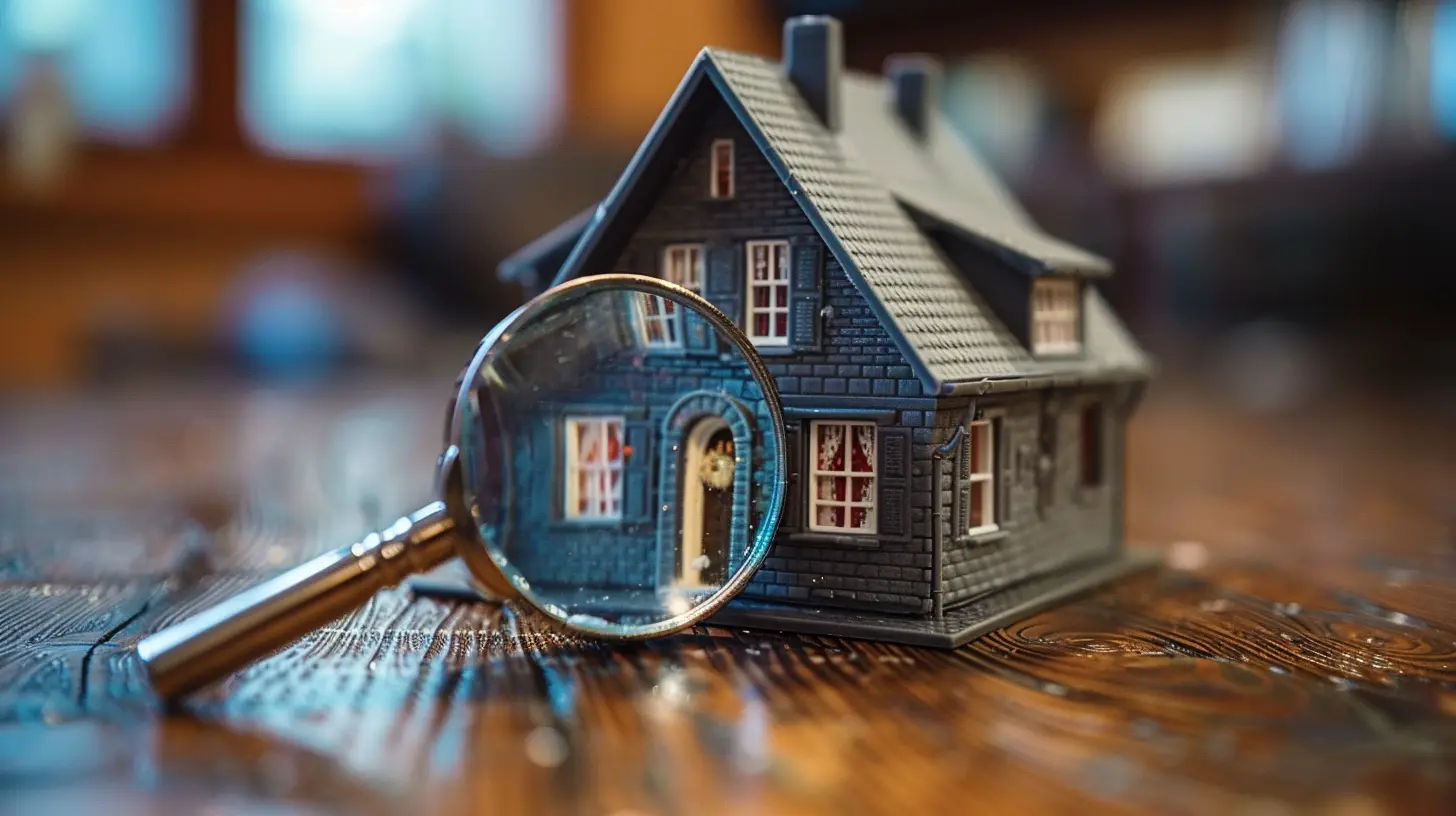
What Is a Home Inspection Report?
Before we dive into the nitty-gritty details, let's start with the basics. A home inspection report is a document prepared by a professional home inspector after evaluating a property's condition. It provides buyers with a detailed overview of the home's structural integrity, major systems, and potential issues.Think of it as a health check-up for a house. Some findings might be minor, while others could be deal-breakers. The key is to know how to interpret the report and decide your next steps.

What Does a Home Inspection Cover?
A thorough home inspection examines various parts of the house to ensure everything is in working order. Here’s what you can expect to find in the report:1. Structural Components
The inspector will assess the integrity of the home's foundation, walls, roof, and overall structure. Any cracks, sagging, or signs of shifting will be noted.2. Roof and Attic
A good roof keeps your home dry and safe. Inspectors check for missing shingles, leaks, or signs of wear and tear. They’ll also evaluate attic insulation and ventilation.3. Plumbing System
Nobody wants to deal with plumbing nightmares. The inspector will check pipes, drains, water heaters, and any signs of leaks or corrosion.4. Electrical Systems
Faulty wiring can be hazardous. The inspection will include an evaluation of the main electrical panel, outlets, switches, and potential fire risks.5. HVAC (Heating, Ventilation, and Air Conditioning)
A properly functioning HVAC system is essential for comfort. Inspectors will assess the furnace, air conditioning system, ventilation, and ductwork.6. Interior and Exterior Components
Doors, windows, stairs, porches, and siding all matter. The inspector will check for proper sealing, moisture damage, and structural integrity.7. Appliances
If appliances like the refrigerator, oven, or dishwasher are included in the home, the inspector may check if they are in working condition.8. Basement and Crawlspaces
Damp basements or crawlspaces can indicate potential flooding or foundation problems. The inspector will check for moisture, mold, or structural issues.9. Pest and Mold Issues
While not always included in standard inspections, signs of termites, rodents, or mold may be noted in the report. If the inspector finds concerning evidence, you may need a specialized inspection.
How to Read a Home Inspection Report
At first glance, a home inspection report may seem overwhelming. However, breaking it down into sections makes it easier to digest. Most reports include:1. Summary Page
This section highlights major concerns that could impact the house's value or require immediate attention. If the seller is handling repairs, this summary is crucial.2. Detailed Findings
Each component of the house is usually graded or categorized based on its condition. The inspector typically uses terms like:- Satisfactory – No immediate concerns
- Needs Maintenance – Minor issues that require attention soon
- Immediate Repair Needed – Problems that should be addressed urgently
- Safety Concern – Issues posing a potential hazard
3. Photos and Explanations
Most reports include photos with descriptions to help you visually understand problem areas. This is helpful when negotiating repairs or requesting fixes from the seller.
What Should You Be Concerned About?
Not all issues found in a home inspection should send you running. Some are common maintenance concerns. However, watch out for these red flags:- Foundation problems – Cracks or shifting could lead to costly repairs.
- Roof damage – A deteriorating roof can be a significant expense.
- Plumbing leaks – Water damage can be a silent but expensive issue.
- Electrical hazards – Outdated wiring or faulty electrical panels can be dangerous.
- Mold or water damage – These issues may indicate hidden moisture problems.
If any of these come up, talk to your real estate agent and home inspector. In some cases, the seller may be willing to fix the problems or lower the price to compensate for repairs.
What to Do After Receiving the Report
Once you've gone through the inspection report, you have several options:1. Accept the Home As-Is
If the report only reveals minor issues, you might choose to move forward without requesting repairs.2. Negotiate Repairs or Price Adjustments
If there are significant concerns, you can negotiate with the seller to have repairs completed before closing or request a price reduction to cover future fixes.3. Walk Away
If the inspection reveals major structural issues or costly repairs that the seller isn't willing to address, you may have the right to back out of the deal.
Home Inspection Report vs. Appraisal Report
Many buyers confuse a home inspection with an appraisal. While both are important, they serve different purposes:- Home Inspection – Evaluates the property's condition, identifying potential repairs and safety issues.
- Appraisal – Determines the home's market value based on its condition, location, and comparable sales.
Lenders require an appraisal, but a home inspection is optional (though highly recommended). Skipping an inspection could leave you with expensive surprises down the road.
Should You Hire a Separate Specialist?
In some cases, your home inspector may recommend further evaluations by specialists. Consider hiring additional experts if there are concerns about:- Structural Issues → Hire a structural engineer
- Mold or Water Damage → Bring in a mold specialist
- Electrical or Plumbing Systems → Consult a licensed electrician or plumber
- Roof Problems → Get a roofing expert’s opinion
While this might seem like an extra expense, catching hidden problems before closing can save you thousands of dollars in the long run.
Final Thoughts
A home inspection report may seem like just another hurdle in the home-buying process, but it’s actually one of your best tools for making an informed decision. Instead of seeing it as a document full of problems, view it as a roadmap that helps you understand what you’re getting into.If something major pops up, don’t panic. Weigh your options, talk to your real estate agent, and negotiate where necessary. At the end of the day, it’s all about making sure your dream home doesn’t turn into a nightmare.
all images in this post were generated using AI tools
Category:
Home InspectionsAuthor:

Lydia Hodge
Discussion
rate this article
2 comments
Soraya Alexander
Great article! Home inspection reports can feel overwhelming, but your tips simplify the process. Understanding potential red flags and maintenance recommendations is crucial for buyers. It’s all about making informed decisions! Thanks for sharing these insights—definitely bookmarking this for anyone diving into the home buying journey!
December 27, 2025 at 3:36 AM
Lydia Hodge
Thank you for your thoughtful feedback! I'm glad you found the tips helpful for navigating home inspection reports. Wishing you and your readers all the best in the home buying journey!
Morrow McQuiston
A thorough understanding of the home inspection report is crucial for buyers. It highlights potential issues and informs negotiation, ensuring a well-informed purchase decision.
December 21, 2025 at 8:29 PM
Lydia Hodge
Absolutely! A clear grasp of the home inspection report empowers buyers to identify issues and negotiate effectively, ensuring a smart purchasing decision.