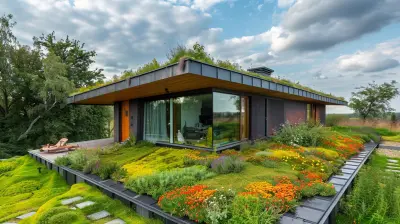
Water Conservation Strategies for Sustainable Homes
7 April 2026
Water is life. It fuels our daily routines—cooking, cleaning, bathing, and, of course, drinking. But with climate change, population growth, and increasing water scarcity, conserving this precious resource has never been more critical.
If you’re a homeowner looking to build a more eco-friendly and cost-efficient space, focusing on water conservation is a great place to start. Not only does it help the environment, but it also saves you money on utility bills. That’s a win-win, right?
In this article, we’ll dive into practical and effective water conservation strategies that can transform your home into a sustainable haven.
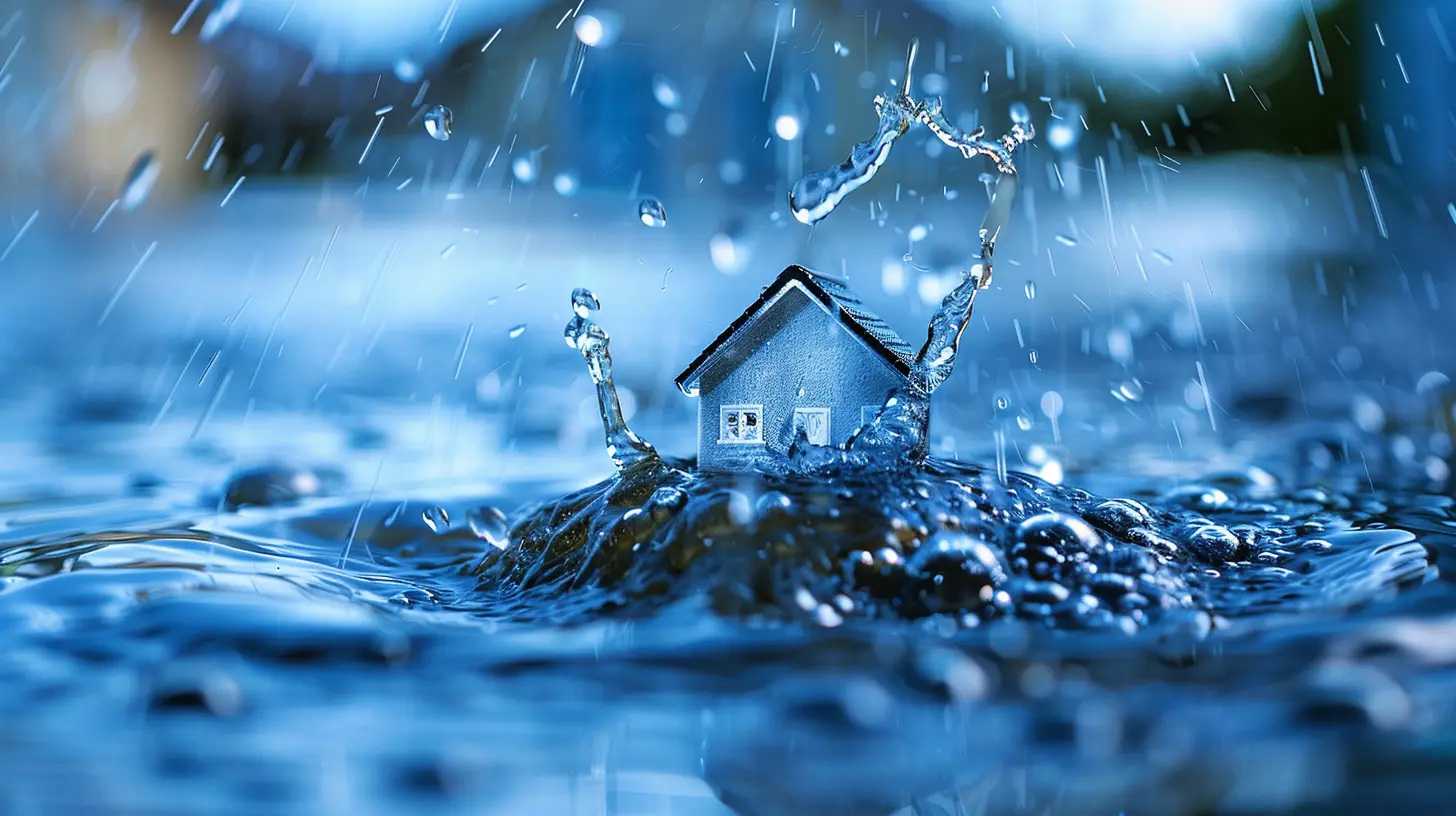
Why Water Conservation Matters
Before we get into the strategies, let’s talk about why conserving water is so important.- Reduces Water Bills: Less water usage means lower costs. Simple!
- Preserves Natural Resources: Freshwater is limited, and saving it protects ecosystems.
- Minimizes Energy Usage: Pumping, heating, and treating water requires energy. Using less water reduces your carbon footprint.
- Prepares for Water Shortages: Climate change is making droughts more common. Being mindful of water use today helps secure supply for the future.
Now that we understand why it matters, let’s discuss how you can make your home water-efficient. 
1. Upgrade to Water-Efficient Fixtures
One of the easiest and most effective ways to conserve water is by updating your home with water-efficient fixtures.Low-Flow Showerheads & Faucets
Older showerheads and faucets can waste gallons of water. By switching to low-flow models, you can cut water use by 30-50% without sacrificing performance. Many modern designs maintain strong water pressure while using significantly less water.Dual-Flush & Low-Flow Toilets
Toilets account for nearly 30% of household water use. Traditional toilets use around 6 gallons per flush (gpf), while modern low-flow models use 1.28 gpf or less. Even better, a dual-flush system lets you choose between a low-volume flush for liquid waste and a higher-volume flush for solid waste.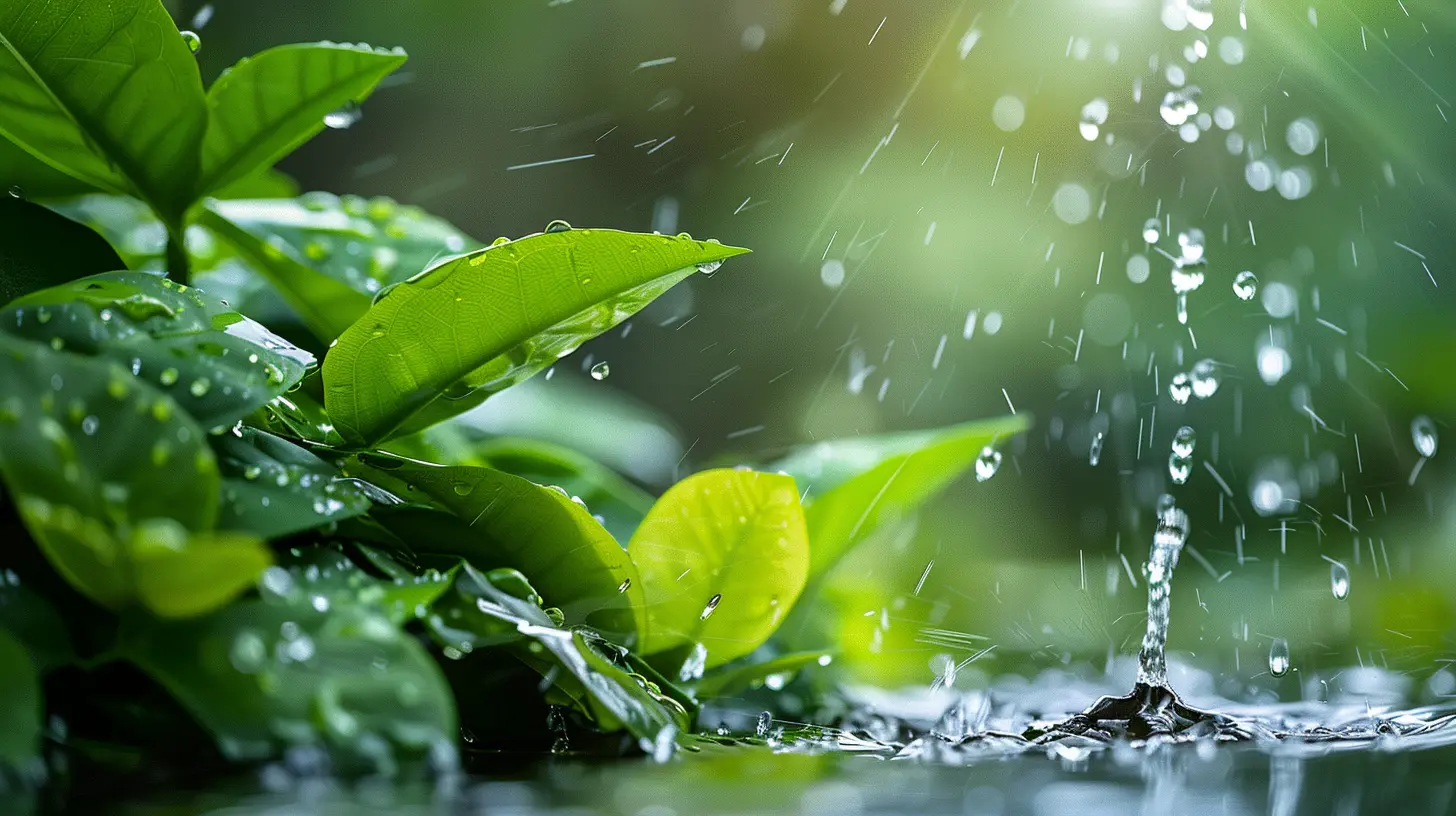
2. Fix Leaks Immediately
A tiny drip from a leaky faucet might not seem like a big deal, but those small drops add up—fast! A faucet leaking one drop per second can waste over 3,000 gallons per year.How to Check for Leaks
- Look for visible leaks around sinks, tubs, and toilets.- Check your water meter before and after a two-hour period of no water usage—if the reading changes, you’ve got a leak.
- Keep an eye on your water bill—an unexplained increase could mean there’s a hidden leak somewhere.
Getting leaks repaired promptly not only conserves water but also prevents costly water damage to your home. 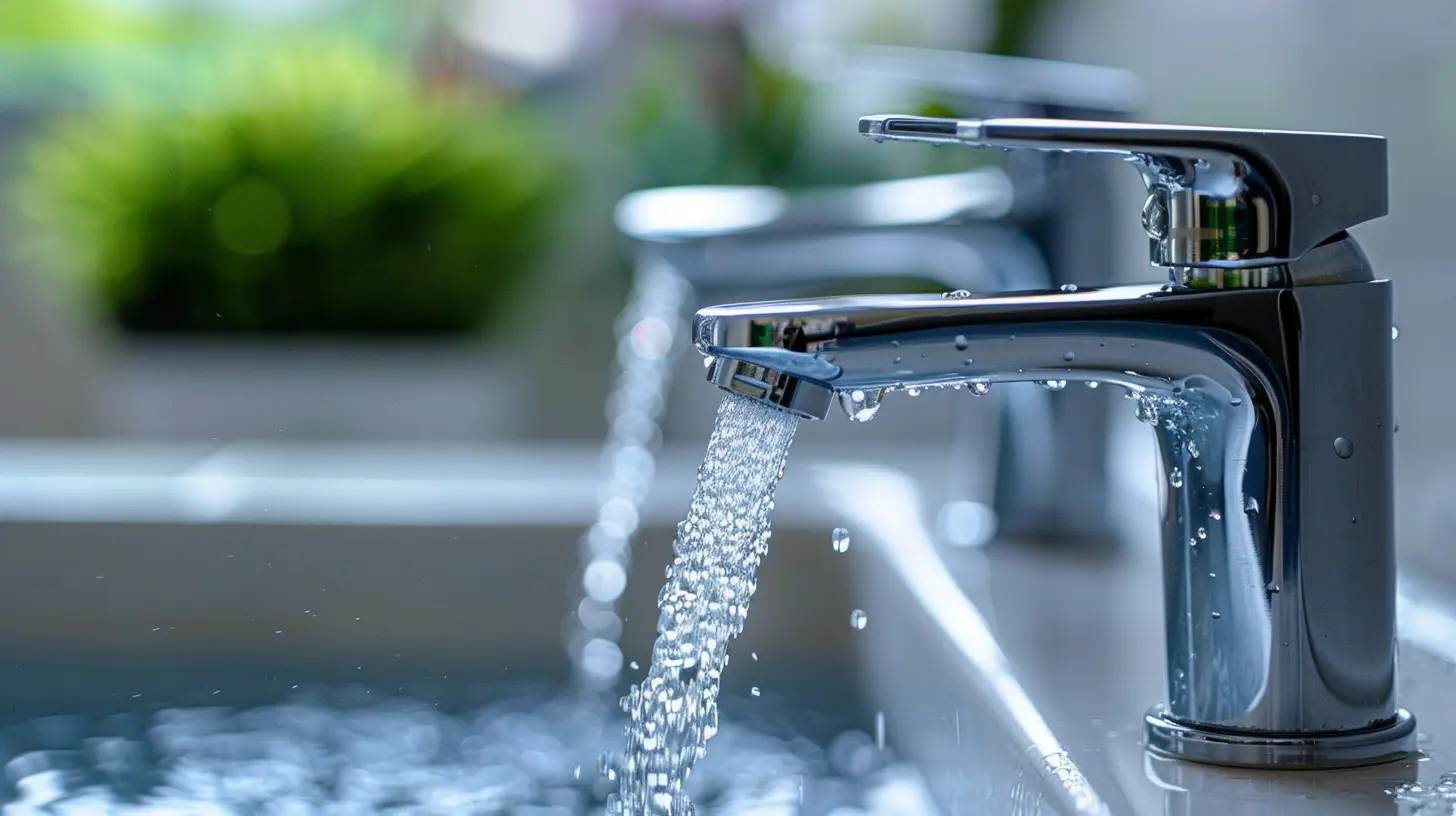
3. Harvest Rainwater
Why let rainwater go to waste when you can collect and use it? Harvesting rainwater is an excellent way to reduce dependence on municipal water supplies.How to Collect Rainwater
- Install rain barrels under downspouts to collect runoff from your roof.- Consider a rainwater harvesting system for larger-scale collection.
- Use the stored water for gardening, outdoor cleaning, or even indoor non-potable uses (like flushing toilets with proper filtration).
Not only does this method save water, but it also reduces stormwater runoff, preventing erosion and flooding.
4. Choose Water-Efficient Landscaping
Your yard can be a major water hog if it's not designed with conservation in mind. Fortunately, you can have a lush, beautiful garden without excessive water use.Xeriscaping: Low-Water Landscaping
Xeriscaping is all about landscaping with drought-resistant plants. Instead of a thirsty lawn, opt for native plants that thrive in your local climate with minimal water.Ditch The Lawn (Or Reduce Its Size)
Traditional lawns require frequent watering. Consider replacing sections of your lawn with gravel, mulch, or drought-tolerant ground cover. If you love having grass, choose a drought-resistant variety and water it efficiently.Smart Irrigation Systems
Watering your yard intelligently can make a world of difference:- Install drip irrigation for a slow, targeted water supply to plant roots.
- Water early in the morning or late in the evening to minimize evaporation.
- Use moisture sensors or smart irrigation controllers that adjust watering schedules based on real-time weather conditions.
5. Use Water-Efficient Appliances
If your home still has older appliances, chances are they’re guzzling more water than necessary. Upgrading to ENERGY STAR-rated machines can significantly cut water and energy consumption.Efficient Washing Machines
Older top-loading washers use about 40-45 gallons per load. Modern front-loading or high-efficiency models use less than 15 gallons, all while cleaning clothes just as effectively.Efficient Dishwashers
A good dishwasher actually uses less water than hand-washing dishes. But if you’re still using an old model, it may consume 10-15 gallons per cycle. Switching to an ENERGY STAR-rated dishwasher can cut that down to 4-6 gallons per cycle.6. Change Daily Habits
Beyond upgrading your home’s fixtures and appliances, small behavioral changes can lead to substantial water savings.Simple Ways to Save Water Every Day
- Turn Off The Tap: Don’t let the water run while brushing your teeth or washing dishes.- Take Shorter Showers: Just reducing your shower time by 2-3 minutes saves gallons of water.
- Wash Full Loads: Whether it’s laundry or dishes, always run full loads to maximize efficiency.
- Reuse Water When Possible: Use leftover drinking water or cooking water to hydrate plants.
7. Install a Greywater System
Greywater systems reuse water from sinks, showers, and washing machines for irrigation and other non-drinking purposes. Instead of sending it down the drain, you can filter and redirect it to water your garden or flush toilets.Be sure to check local regulations—some areas have restrictions on greywater systems. But where allowed, they’re a game-changer for sustainable living!
Conclusion
Water conservation doesn’t have to mean making big sacrifices. By incorporating simple upgrades, fixing leaks, rethinking your landscaping, and adopting mindful habits, you can significantly cut down on water waste.Not only will your efforts help the planet, but they’ll also reflect in your lower utility bills and long-term savings.
So, are you ready to make your home more water-efficient? Start small, stay consistent, and watch the impact grow!
all images in this post were generated using AI tools
Category:
Green HomesAuthor:

Lydia Hodge
Discussion
rate this article
2 comments
Zevan Daniels
Great article! Emphasizing water conservation in sustainable homes is vital for our future. Every small change can make a significant impact. Let’s inspire each other to adopt these strategies, creating eco-friendly spaces that nurture both our environment and communities.
April 11, 2026 at 4:32 AM
Lydia Hodge
Thank you for your thoughtful comment! I completely agree that every effort counts in promoting sustainability. Together, we can make a real difference.
Victoria McIntosh
This article provides excellent insights into effective water conservation strategies for sustainable homes, including rainwater harvesting, xeriscaping, and efficient appliances. Embracing these practices not only conserves resources but also reduces utility costs.
April 8, 2026 at 3:37 AM
Lydia Hodge
Thanks for the feedback! I'm glad you found the insights useful for promoting sustainable living.